
Tina Turner: An Extraordinary Life, Powerful Music, Career & Lasting Legacy
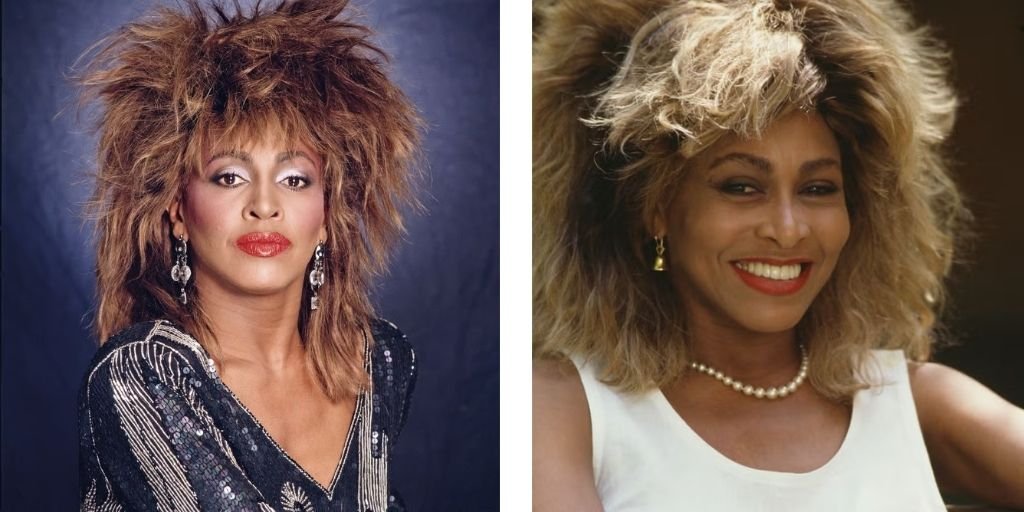
Tina Turner was far more than a famous singer. She was a performer whose voice, energy, and determination helped shape popular music for generations. From difficult beginnings to international superstardom, her journey was filled with dramatic changes, personal struggles, remarkable comebacks, and unforgettable performances.
Her story feels almost like a long musical journey with several different chapters. She first became known as part of the Ike & Tina Turner Revue, later rebuilt her career as a solo artist, and eventually became one of the world’s most recognizable entertainers. Her music crossed borders, generations, and genres, bringing rock, soul, R&B, and pop together in a distinctive style.
Even after her death in 2023, her influence remains visible. Songs such as “What’s Love Got to Do with It,” “The Best,” and “Proud Mary” continue to introduce her work to new audiences.
Early Life and Childhood
Tina Turner was born Anna Mae Bullock on November 26, 1939, in Brownsville, Tennessee. She grew up in the small rural community of Nutbush, where her early life was far removed from the bright stages and enormous arenas she would eventually know.
Her parents were Floyd Richard Bullock and Zelma Priscilla Bullock. Tina was the youngest of three daughters. Music was part of the world around her, particularly through the church, where she developed an early connection with singing and performing.
A young girl with a powerful voice
As a child, Tina did not necessarily know that she would become an international star. Like many young people, she was simply discovering what she enjoyed. Singing gave her an outlet, and her natural stage presence would later become one of her greatest strengths.
Her childhood also included periods of family difficulty. These experiences became an important part of the personal story she later shared publicly.
After finishing school, she eventually moved to St. Louis, Missouri, where she encountered the music scene that would change her life.
Meeting Ike Turner and Entering Music
Tina’s professional music career began when she became involved with Ike Turner’s Kings of Rhythm. She initially wanted to sing with the group, and her opportunity eventually came when she performed “A Fool in Love.”
The recording became a major success and helped establish the Ike & Tina Turner Revue.
The beginning of a famous partnership
Ike and Tina became one of the most recognizable musical duos of their era. Their performances were energetic, dramatic, and highly physical. Tina’s voice stood out immediately, while the stage show created an intensity that audiences remembered.
Songs such as “Proud Mary” became especially important to their live performances. Tina’s dancing, movement, and commanding personality made her more than a vocalist. She became a complete performer.
The pair appeared on television, toured extensively, and developed a strong following.
However, behind the public success was a deeply troubled personal relationship. Tina later described the abuse she experienced during her marriage to Ike Turner. Her eventual decision to leave became one of the defining moments of her life.
The Difficult Break From Ike Turner
Leaving a successful musical partnership was not easy. Tina had to walk away from a career structure that had made her famous while also dealing with serious personal circumstances.
In 1976, she left Ike Turner.
Starting over with very little
Tina later spoke openly about how difficult the transition was. She had limited money and was rebuilding her life while trying to continue working in entertainment.
She began performing as a solo act and appeared in television programs and smaller venues. Instead of giving up, she kept moving forward.
Her story became an example of rebuilding after a major personal and professional setback. She had already achieved fame, but she still had to prove that she could succeed independently.
This period was not an overnight transformation. It was a gradual rebuilding process.
That is an important part of her story. Success sometimes looks less like a straight road and more like a staircase: one step at a time, often after falling backward.
The Incredible Solo Comeback
The late 1970s and early 1980s became a turning point.
Tina worked on developing a new identity that was separate from her previous partnership. She explored rock and pop music and began connecting with a new generation of listeners.
Her breakthrough arrived with the album Private Dancer, released in 1984.
Private Dancer changes everything
The album became a major commercial success and transformed Tina into a global solo star.
One of its most important songs was “What’s Love Got to Do with It.” The track became a huge international hit and helped define the sound of her comeback.
The song’s success was remarkable because it arrived when Tina was already in her forties, an age when the music industry often placed less attention on female performers.
Instead of becoming less visible with age, Tina became even more prominent.
She won multiple Grammy Awards connected with the album and its songs, and her career entered a completely new phase.
Tina Turner’s Unique Musical Style
What made Tina Turner so memorable?
Part of the answer was her voice. It carried strength, roughness, emotion, and personality. She did not sound like everyone else.
Her musical identity also came from the way she performed.
A voice matched by physical energy
Tina was famous for moving across the stage with extraordinary confidence. Her performances combined singing, dancing, choreography, costumes, and dramatic presentation.
Her style connected several musical traditions, including soul, R&B, rock, and pop.
She also demonstrated that an artist could reinvent herself without completely abandoning the qualities that made her special.
Her later solo work introduced her to audiences who may not have known her earlier recordings. At the same time, longtime fans could still recognize the same powerful performer.
Major Songs and Albums
Tina Turner recorded and performed many songs throughout her career, but several became especially associated with her name.
“What’s Love Got to Do with It”
This song became one of her signature recordings. Its success helped establish her solo career at an international level.
“Better Be Good to Me”
The song became another important hit from the Private Dancer era and demonstrated the rock-oriented direction of her new career.
“We Don’t Need Another Hero”
Released in connection with Mad Max Beyond Thunderdome, the song showed how successfully Tina could connect music with film.
“The Best”
Often associated with sporting events, celebrations, and inspirational moments, “The Best” became one of her most recognizable songs.
“Proud Mary”
Originally written by John Fogerty and recorded by Creedence Clearwater Revival, Tina’s performance with the Ike & Tina Turner Revue became legendary. Her interpretation gave the song a different level of stage drama.
Together, these songs helped create a musical legacy that reached well beyond one decade.
Tina Turner and Hollywood
Tina Turner also made an impact outside music.
Her most famous acting role came in Mad Max Beyond Thunderdome, released in 1985. She played Aunty Entity, a powerful leader in the fictional settlement of Bartertown.
The film introduced Tina to another enormous international audience.
A memorable screen presence
Tina’s role worked partly because she already possessed the commanding personality needed for the character. Her performance demonstrated that her talents were not limited to concert stages.
She also contributed songs to the film’s soundtrack, including “We Don’t Need Another Hero.”
Her connection with cinema continued to strengthen her status as a cultural figure rather than simply a recording artist.
Tina Turner as a Global Superstar
During the 1980s and 1990s, Tina Turner became one of the world’s biggest touring performers.
Her concerts were known for their scale and energy. She could perform in enormous stadiums while maintaining the intimacy of a singer who seemed completely connected to the audience.
Breaking expectations about age and longevity
One of the most remarkable aspects of her later career was her ability to remain commercially successful over many years.
Tina challenged assumptions about what a female performer could achieve later in life. Her career demonstrated that reinvention was possible.
Her distinctive hairstyles, stage clothing, dancing, and powerful vocals became closely associated with her public image.
She was not simply following music trends. She had developed a recognizable identity of her own.
Personal Life and Second Chapter
After leaving Ike Turner, Tina eventually found a very different personal chapter.
She later married Erwin Bach, a German music executive. The couple had been together for many years before marrying in 2013.
Tina eventually spent much of her later life in Switzerland.
A quieter life away from the stage
Although she remained famous worldwide, her later years were more private than the peak of her performing career.
She also became involved in projects that preserved and celebrated her story, including the stage musical TINA – The Tina Turner Musical.
The production brought her life and music to theaters and introduced her journey to audiences who had not experienced her original career firsthand.
Awards, Achievements and Cultural Impact
Tina Turner received numerous honors throughout her career.
She won multiple Grammy Awards and was inducted into the Rock & Roll Hall of Fame. Her work also received recognition from other major music organizations and institutions.
Her achievements were not limited to sales or awards.
An influence beyond music
Tina became an important symbol of perseverance and reinvention. Her story resonated with people because her career included both extraordinary success and serious adversity.
She also influenced generations of performers.
Artists across pop, rock, soul, and R&B have recognized her impact. Her approach to performance helped establish a model for the modern arena entertainer.
She showed that a singer could be simultaneously a vocalist, dancer, actor, and commanding stage personality.
Tina Turner’s Final Years and Death
Tina Turner continued to receive public recognition during her later years, although she largely stepped away from performing.
She died on May 24, 2023, at her home in Küsnacht, Switzerland, at the age of 83.
Her representatives announced that she had died peacefully after a period of health problems.
News of her death prompted tributes from musicians, actors, political leaders, and fans around the world.
A legacy that continues
The response reflected the size of her cultural impact. Tina’s music had reached several generations, and her life story had become almost as well known as her songs.
Her recordings continue to be played, while documentaries, books, performances, and the stage musical keep introducing her story to new audiences.
Why Tina Turner’s Legacy Still Matters
Tina Turner’s story remains powerful because it contains more than fame.
It is a story about transformation.
She began in rural Tennessee, became part of a hugely successful musical partnership, endured an abusive relationship, walked away, struggled to rebuild her career, and eventually became an even bigger star as a solo performer.
A legacy built on reinvention
Think of Tina’s career like a phoenix rising from its own ashes. The metaphor is not about pretending that difficult experiences were somehow good. Instead, it captures the remarkable way she rebuilt her professional and personal identity.
Her music remains important, but her influence extends beyond recordings.
She demonstrated that an artist can change direction, start again, and create a new chapter even after others have decided what that artist’s story should be.
That may be one reason her work continues to connect with listeners today.
Conclusion
Tina Turner left behind one of the most recognizable careers in modern popular music. From Nutbush to international stages, her journey included extraordinary success, painful personal experiences, reinvention, and lasting artistic achievement.
Her powerful voice and unforgettable performances made her a music icon, while her decision to rebuild her life after leaving Ike Turner gave her story another dimension.
Tina Turner was not simply remembered for one hit or one era. Her career stretched across generations, and her music continues to live through recordings, performances, films, and new listeners discovering her work.
Her story reminds us that a career can have more than one beginning—and sometimes the second chapter becomes the most unforgettable one.
FAQs About Tina Turner
1. Who was Tina Turner?
Tina Turner was an American-born singer and performer who became internationally famous through the Ike & Tina Turner Revue before achieving enormous success as a solo artist.
2. What was Tina Turner’s biggest song?
“What’s Love Got to Do with It” is one of her most famous and commercially successful songs. It became a defining recording of her solo career.
3. When did Tina Turner die?
Tina Turner died on May 24, 2023, at the age of 83, at her home in Küsnacht, Switzerland.
4. What movie did Tina Turner appear in?
She starred as Aunty Entity in Mad Max Beyond Thunderdome, released in 1985. She also performed songs for the film’s soundtrack.
5. Why is Tina Turner considered influential?
Her influence comes from her distinctive voice, energetic stage performances, long career, successful reinvention as a solo artist, and impact on generations of singers and performers.




