
Diana Ross: An Extraordinary Life, Music, Movies & Lasting Legacy
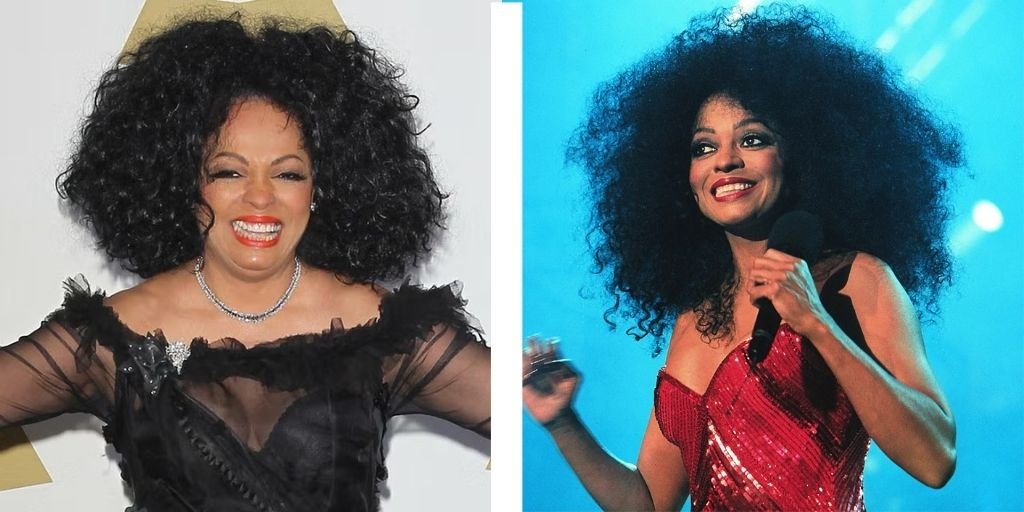
Diana Ross is one of those artists whose name seems to belong to more than one generation. From the exciting sound of Motown in the 1960s to her successful solo career and memorable film performances, she has remained an important figure in popular culture for decades. Her elegant style, distinctive voice, and ability to reinvent herself helped turn her into an international star.
But what made Diana Ross so special? Was it simply her voice, her stage presence, or her ability to connect with audiences? In truth, it was a combination of all three, supported by determination and an extraordinary career spanning music, film, television, and live performance.
Early Life and the Beginnings of a Musical Dream
Diana Ross was born on March 26, 1944, in Detroit, Michigan. She grew up in a working-class neighborhood and was the second oldest of six children. Detroit was an especially important place for young musicians at the time because it was becoming a major center of American popular music.
As a teenager, Ross attended Cass Technical High School, where she studied fashion design and other subjects. Music, however, was becoming increasingly important in her life. She began singing with friends and eventually joined a group that would change the history of popular music.
That group was originally known as the Primettes.
A Young Singer With Big Ambitions
The Primettes included Ross, Mary Wilson, Florence Ballard, and Betty McGlown. They performed at local events and talent shows, gaining experience while trying to establish themselves in the competitive Detroit music scene.
Their lives changed when they came into contact with Berry Gordy and the growing Motown organization. The group eventually became known as the Supremes.
For Ross, this was the beginning of an extraordinary journey. She was not an overnight success in the traditional sense. She spent years learning how to perform, work with other musicians, handle demanding schedules, and develop the confidence required for a major stage.
The Supremes and the Rise of a Motown Star
The Supremes became one of the defining groups of the Motown era. Their polished appearance, memorable songs, choreography, and accessible sound helped them reach audiences around the world.
With Diana Ross taking a prominent role as lead singer, the group produced a remarkable run of hit records.
A String of Memorable Hits
Songs such as “Where Did Our Love Go,” “Baby Love,” “Stop! In the Name of Love,” and “You Can’t Hurry Love” became closely associated with the group’s success.
The Supremes were more than a successful vocal group. They represented a new level of crossover success for Black female performers in American popular music. Their records reached listeners across racial and cultural boundaries at a time when the music industry was undergoing major changes.
Their success also demonstrated how powerful a carefully developed group identity could be. The Supremes combined music, fashion, choreography, and presentation into one recognizable package.
Why the Supremes Mattered
Imagine a door that had been difficult for many performers to open. The Supremes did not simply walk through that door; their success helped make it easier for other artists to enter afterward.
Their achievements contributed to the growing visibility of Black artists in mainstream entertainment. Ross became increasingly recognizable as the face and voice of the group, although the Supremes’ success was built on the work of several talented performers, musicians, writers, producers, and creative teams.
Diana Ross Begins Her Solo Career
By the end of the 1960s, Diana Ross was preparing for the next major chapter of her career. She left the Supremes and officially began her solo career in 1970.
Launching a solo career after achieving such enormous success with a group was a major challenge. Would audiences accept Ross on her own?
The answer quickly became clear.
Her first solo single, “Reach Out and Touch (Somebody’s Hand),” introduced a different side of her artistry. Soon afterward, “Ain’t No Mountain High Enough” became a major hit and established Ross as a successful solo performer.
Finding a New Musical Identity
Her solo career allowed her to explore different sounds and themes. She worked with some of the most respected songwriters, producers, and musicians of her era.
Rather than trying to recreate the Supremes, Ross developed a broader musical identity. Her songs included romantic ballads, dance-oriented tracks, pop recordings, and sophisticated adult contemporary material.
This flexibility became one of the most important features of her career.
Diana Ross and Her Success on the Big Screen
Music was only one part of Ross’s creative life. She also became a successful actress.
Her film career began with a role that would become one of the most important performances of her life: Billie Holiday in Lady Sings the Blues.
Released in 1972, the film presented Ross with a demanding dramatic role. She portrayed the legendary jazz singer Billie Holiday, bringing both vulnerability and determination to the character.
Lady Sings the Blues
Ross’s performance received major recognition, including an Academy Award nomination for Best Actress.
For a singer making a major transition into acting, this was a significant achievement. It showed that her talents extended beyond recording studios and concert stages.
The film also introduced Ross to audiences in a different way. Instead of simply being a glamorous music star, she demonstrated that she could carry a dramatic story.
Mahogany and The Wiz
Ross later starred in Mahogany, a romantic drama released in 1975. She played Tracy Chambers, a young woman pursuing a career in fashion.
The movie connected with Ross’s own interest in fashion and helped strengthen her image as a style icon.
In 1978, she appeared as Dorothy in The Wiz, a musical adaptation of The Wizard of Oz. The movie featured a celebrated cast that included Michael Jackson, Richard Pryor, and Lena Horne.
Although the film received mixed reactions at the time, its music, performances, costumes, and cultural importance helped it develop a lasting place in popular culture.
A Fashion and Style Icon
Diana Ross’s influence has never been limited to music. Her fashion became part of her public identity.
During her Supremes years, the group became famous for elegant gowns, coordinated outfits, sophisticated hairstyles, and carefully designed stage appearances.
Ross later developed an even more personal style as a solo artist.
From Glamour to Individual Expression
Her wardrobe often featured dramatic dresses, sparkling fabrics, elaborate hairstyles, and bold silhouettes. She understood something that many successful entertainers eventually learn: an audience does not only hear a performer; it also sees one.
Her visual presentation became part of the overall experience.
This influence can still be seen in the way modern performers combine music, fashion, choreography, and visual storytelling. Ross helped demonstrate how an artist could build an identity that remained recognizable even as musical trends changed.
The 1970s and 1980s: Continuing Musical Success
Diana Ross continued to record successful music throughout the 1970s and 1980s.
Her voice worked especially well with emotional ballads and polished pop productions. She also became increasingly associated with sophisticated romantic music.
Songs such as “Love Hangover,” “Upside Down,” and “I’m Coming Out” demonstrated her ability to adapt to changing musical styles.
Working With New Sounds
“Love Hangover” embraced the disco movement, while “Upside Down,” written and produced by Nile Rodgers and Bernard Edwards of Chic, brought a distinctive dance sound to her catalog.
“I’m Coming Out” later became especially influential in popular culture. The song’s confident message and memorable production helped it remain relevant far beyond its original release.
This ability to move with the times was crucial.
Music changes quickly. An artist who refuses to evolve can easily become associated only with the past. Ross repeatedly found ways to remain connected with contemporary audiences.
Diana Ross on Television and the Concert Stage
Ross also became an important television personality and live performer.
Television specials helped introduce her to audiences who might not have attended a concert. Her appearances often combined music, fashion, choreography, and celebrity guests.
The Power of Live Performance
A Diana Ross concert has traditionally been more than a collection of songs. Her performances are built around presentation and emotional connection.
She has performed across the world for audiences ranging from intimate theater crowds to enormous international events.
There is something distinctive about watching an experienced performer who understands the rhythm of a live audience. Ross has spent decades developing that skill.
She knows when to let a song breathe, when to interact with the crowd, and when to turn a familiar chorus into a shared moment.
Family Life and Personal Journey
Behind the public image, Diana Ross has also had a large family and a life that has unfolded under intense public attention.
She has five children: Rhonda Ross Kendrick, Tracee Ellis Ross, Chudney Ross, Ross Arne Naess, and Evan Ross.
Her children have pursued different careers and creative interests.
A Family Connected to Entertainment
Tracee Ellis Ross became a successful actress, producer, and television personality, while Evan Ross pursued acting and music. Rhonda Ross Kendrick has worked as an actress, singer, and writer.
For Ross, family has remained an important part of her life alongside her demanding professional career.
Maintaining a private family life while living under the spotlight is not always easy. Yet Ross has continued to balance her role as an entertainer with her responsibilities as a mother.
Awards, Recognition and Cultural Influence
Diana Ross’s career has brought her numerous awards and honors.
She has received major music and entertainment recognition and has been honored for her contributions to popular culture.
Her career has also been recognized by institutions beyond the recording industry.
An Influence That Crosses Generations
One of the clearest signs of Ross’s impact is the number of artists who have followed after her.
Her influence can be found in pop, R&B, soul, dance music, fashion, film, and live entertainment. Younger performers have drawn inspiration from the confidence, elegance, and theatrical presentation associated with her career.
Her legacy is not based on one particular song or movie. Instead, it is the result of decades of work.
Diana Ross’s Lasting Legacy
What does Diana Ross represent today?
For many listeners, she represents the golden age of Motown. For others, she is a successful solo singer, actress, fashion icon, or legendary live performer.
All of these descriptions are accurate, but none tells the entire story.
A Career Built on Reinvention
Ross’s career can be compared to a river. It has continued moving forward while changing direction along the way.
She began as part of a teenage vocal group, became one of Motown’s most recognizable stars, built a successful solo career, moved into film, embraced television, and continued performing for audiences around the world.
That ability to reinvent herself is perhaps one of the most important lessons from her career.
The entertainment industry changes constantly. Musical tastes shift, technology evolves, and new performers arrive every year. Yet Ross has remained recognizable because she developed a strong artistic identity while still allowing herself to change.
Her story is therefore not simply about fame. It is about endurance, adaptation, professionalism, and the ability to keep creating.
Diana Ross: A Remarkable Journey Through Music and Culture
Diana Ross’s story is one of the most remarkable careers in modern entertainment. From Detroit and the early days of the Primettes to the international success of the Supremes, her solo achievements, film performances, and decades of live entertainment, she has left an unmistakable mark on popular culture.
Her greatest contribution may be the example she created for generations of performers. She showed that an artist could move from group success to a solo career, from music to film, and from one musical era to another without losing a distinctive identity.
Her voice remains recognizable, her songs continue to be performed, and her influence can still be seen in entertainment and fashion.
For audiences who discovered her decades ago and for younger listeners discovering her music today, Diana Ross remains an important part of the story of American popular culture.
Frequently Asked Questions
1. Who is Diana Ross?
Diana Ross is an American singer, actress, and entertainer who first became famous as the lead singer of the Supremes before building a highly successful solo career.
2. What was Diana Ross’s first major group?
Diana Ross began her professional singing journey with the Primettes, a group that later became the Supremes after joining the Motown organization.
3. What movies did Diana Ross star in?
Some of Diana Ross’s best-known films include Lady Sings the Blues, Mahogany, and The Wiz.
4. What are some famous Diana Ross songs?
Her well-known recordings include “Ain’t No Mountain High Enough,” “Love Hangover,” “Upside Down,” and “I’m Coming Out,” along with numerous Supremes hits.
5. Why is Diana Ross important to music history?
Diana Ross is important because her career spans the Supremes’ Motown success, a major solo career, film, television, fashion, and live performance. Her work has influenced generations of entertainers.




