
Hugh Hefner: The Life, Legacy, and Controversial Story of Playboy’s Founder
Introduction
Hugh Hefner was one of the most recognizable and controversial media figures of the 20th century. As the founder of Playboy magazine, he helped transform a small publishing venture into a global lifestyle brand that influenced popular culture, journalism, fashion, entertainment, and discussions about sexuality.
But who was the man behind the famous robe, mansion, and magazine? Hefner’s story was far more complicated than his public image suggested. He was a publisher, businessman, social commentator, television personality, advocate for free expression, and a deeply debated cultural figure.
His career stretched across decades of enormous social change. He benefited from changing attitudes toward relationships and sexuality while also presenting himself as a defender of individual freedom. At the same time, critics questioned aspects of his business, personal relationships, and the culture surrounding his brand.
Understanding Hugh Hefner means looking beyond the glamorous photographs and celebrity parties. His life was like a mirror reflecting the changing values of American society—sometimes clearly, sometimes uncomfortably.
Early Life and Family Background
Hugh Marston Hefner was born on April 9, 1926, in Chicago, Illinois. He grew up in a relatively conservative family. His parents, Glenn and Grace Hefner, were described as socially and religiously traditional, and this environment contrasted sharply with the lifestyle he would later promote.
As a young man, Hefner developed an interest in writing, drawing, and popular culture. He attended the University of Illinois at Urbana-Champaign, where he studied psychology and became involved with student publications.
His early experiences helped shape his understanding of magazines and visual storytelling. Rather than simply seeing publishing as a business, he viewed magazines as a way to combine writing, artwork, photography, humor, and cultural commentary.
Before becoming a major publisher, Hefner worked in several positions within the publishing industry. He also contributed cartoons and writing to magazines. These experiences gave him practical knowledge about what attracted readers and how editorial content could be packaged.
His time in the U.S. Army during World War II also exposed him to a broader world beyond his childhood surroundings. After the war, he returned to education and publishing, gradually developing the idea that would eventually become Playboy.
The Birth of Playboy Magazine
In 1953, Hefner launched Playboy magazine in Chicago. The first issue became famous partly because it featured Marilyn Monroe, whose photographs had already attracted considerable attention.
The publication was not simply designed around photographs. Hefner wanted to create a sophisticated men’s magazine that combined visual material with fiction, interviews, humor, essays, and commentary.
That combination became one of its defining characteristics.
At a time when American publishing could be relatively conservative, Playboy positioned itself as modern, urban, and rebellious. It appealed to readers who were interested not only in relationships and sexuality but also in music, literature, politics, fashion, food, and entertainment.
The magazine’s success grew quickly.
Hefner understood something important about branding: people were not necessarily buying only a magazine. They were buying an idea of a lifestyle.
The famous rabbit logo became central to that identity. Over time, the Playboy name expanded far beyond printed pages, appearing on clothing, television programs, clubs, merchandise, and other forms of entertainment.
How Hefner Built a Media Empire
Hefner’s success came from his ability to turn editorial content into a broader commercial ecosystem.
Playboy eventually became much more than a magazine. The company developed clubs, television productions, licensing arrangements, merchandise, and other entertainment ventures.
The Playboy Clubs were particularly important to the brand’s public image. Beginning in the 1960s, these venues became associated with sophisticated nightlife, live entertainment, and the famous Playboy Bunnies.
The clubs helped make the brand visible in major cities and turned its logo into a recognizable symbol.
Hefner also embraced television. Programs associated with Playboy brought the brand into American homes and helped establish him as a recognizable media personality.
His famous home, the Playboy Mansion in Los Angeles, became another important part of the company’s mythology. Celebrity gatherings, parties, and media coverage transformed the property into one of the most famous private residences in popular culture.
Yet the business was not without challenges. Publishing was highly competitive, and changing technology eventually created major pressures for traditional magazines.
Hefner’s ability to adapt allowed Playboy to remain influential for decades, even as the media industry changed dramatically.
Hugh Hefner and the Sexual Revolution
It is impossible to discuss Hefner without considering the sexual revolution of the 1960s and 1970s.
During these decades, American society experienced major debates over relationships, gender roles, contraception, marriage, privacy, and personal freedom. Hefner became one of the most visible people associated with these changes.
He argued that adults should have greater freedom to make personal choices about relationships and sexuality. Playboy promoted the idea that pleasure could coexist with culture, sophistication, and intellectual curiosity.
This was a significant departure from more traditional attitudes of the period.
Hefner often presented himself as a defender of individual liberty. He supported free speech and frequently connected sexual freedom with broader civil liberties.
However, his influence remains debated.
Supporters see him as someone who challenged restrictive social attitudes. Critics argue that the Playboy model frequently reduced women to objects of male desire, despite the company’s claims about sophistication and empowerment.
Both perspectives are important when examining his legacy.
The cultural changes surrounding Hefner were much larger than one individual. Still, he became one of the most recognizable symbols of that transformation.
Playboy’s Journalism and Famous Interviews
One aspect of Playboy that is sometimes overlooked is its editorial reputation.
The magazine published interviews with major political, cultural, and entertainment figures. Over the years, its pages featured conversations with presidents, musicians, writers, actors, athletes, activists, and other influential personalities.
The interviews were often unusually long compared with standard celebrity profiles. Readers could encounter discussions about politics, philosophy, social issues, careers, and personal beliefs.
This helped establish the magazine as something more than an adult publication.
Playboy also published fiction from respected writers and featured work connected with major literary figures. Its editorial approach attempted to create an environment in which entertainment and serious cultural discussion could exist side by side.
That strategy was central to Hefner’s vision.
He wanted readers to associate the brand with an entire lifestyle rather than a single category of content.
This editorial ambition contributed significantly to Playboy’s cultural influence and helped attract readers who might otherwise have dismissed the magazine entirely.
Civil Rights and Free Expression
Hefner’s public legacy also includes his involvement in civil rights and free-expression issues.
During periods when racial segregation remained a serious problem in the United States, Playboy featured Black artists and public figures at a time when some mainstream publications were less willing to do so.
The magazine’s editorial choices sometimes placed it on the more progressive side of American cultural debates.
Hefner also supported organizations and causes connected with civil liberties, free speech, and racial equality.
One notable example was his financial support for the work surrounding the preservation of the Hollywood sign, an iconic landmark that had fallen into poor condition during the 1970s.
He also became associated with efforts supporting freedom of expression.
However, these contributions do not erase the criticisms directed at his business or personal life. Historical figures rarely fit neatly into categories such as hero or villain.
Hefner’s career demonstrates that a person can contribute to social change in one area while simultaneously being criticized for practices in another.
The Playboy Mansion and Celebrity Culture
Few private homes became as famous as the Playboy Mansion.
Located in the Holmby Hills area of Los Angeles, the mansion became closely associated with Hefner’s public persona. Its parties attracted celebrities, musicians, actors, athletes, models, and other entertainment figures.
Television appearances and reality programming brought the mansion’s lifestyle to a much wider audience.
For many people, the mansion represented luxury, excess, celebrity culture, and the unusual world surrounding Hefner.
But it also became a subject of criticism and controversy.
The reality series The Girls Next Door, which premiered in 2005, gave viewers a more direct look at Hefner’s household and relationships with several women who lived at the mansion.
The program helped introduce Hefner to a younger television audience and turned some of his companions into celebrities in their own right.
It also raised questions about the power dynamics and lifestyle surrounding him.
The mansion therefore became more than a physical building. It became a symbol of the Playboy era itself.
Hugh Hefner’s Relationships and Family Life
Hefner’s personal relationships received enormous public attention.
He was married multiple times and had four children. His relationships with younger women, particularly during the later years of his life, became a major part of his public identity.
For some observers, these relationships represented his philosophy of personal freedom. For others, they raised questions about age differences, celebrity, power, and the environment created around him.
Hefner’s relationships were frequently discussed in magazines, television programs, and entertainment news.
His third marriage, to Crystal Harris, attracted particular attention. The couple married in 2012 after an earlier engagement and remained married until Hefner’s death.
His children also became connected to the Playboy brand in different ways.
Hefner’s daughter Christie Hefner became an important executive within Playboy Enterprises and eventually served as CEO for many years. Her leadership demonstrated that the family connection to Playboy extended beyond Hefner’s public persona.
Family life, therefore, added another dimension to his story.
Behind the famous parties and magazine covers was also a father, husband, and private individual whose relationships were frequently examined by the public.
Controversies and Criticism
A balanced discussion of Hefner must address the controversies surrounding him.
One major criticism involved the way women were represented in Playboy. While Hefner and supporters argued that the magazine promoted sexual freedom, critics maintained that its imagery often reinforced traditional male-centered views of women.
Others questioned the lifestyle promoted by the Playboy brand and whether it genuinely represented equality.
Former residents and participants in the Playboy world have also offered differing accounts of their experiences. Some have described opportunities, friendships, financial benefits, and career exposure. Others have spoken critically about the pressures and expectations associated with the environment.
These conflicting accounts illustrate why Hefner’s legacy remains complicated.
Another criticism concerns the enormous influence of celebrity culture. The Playboy lifestyle helped popularize the idea that wealth, sexual access, fame, and constant entertainment represented an ideal form of success.
Whether that was liberating or harmful depends partly on one’s perspective.
Rather than simplifying the debate, it is more useful to recognize that Hefner’s influence contained both progressive and problematic elements.
Later Years and Changing Media
As Hefner grew older, the media world around him changed dramatically.
The internet transformed publishing. Traditional magazines faced declining circulation, changing advertising models, and competition from digital platforms.
The kind of content that once required a magazine could now be accessed instantly online.
Despite these changes, Hefner remained connected with Playboy and continued to live at the center of its cultural story.
His later years were also shaped by renewed public discussion about the meaning of his legacy.
Some younger audiences viewed Playboy primarily as a fashion and lifestyle brand. Others saw it as a historical symbol of changing sexual attitudes.
Reality television introduced another generation to Hefner, while documentaries and retrospective journalism encouraged people to reconsider his influence.
The cultural environment that had made Playboy revolutionary was also disappearing.
In a sense, Hefner represented the final chapter of a particular kind of media celebrity: the publisher who was simultaneously an editor, brand creator, public personality, and cultural provocateur.
Death and Lasting Legacy
Hugh Hefner died on September 27, 2017, at the age of 91 at his home, the Playboy Mansion, from natural causes.
His death generated widespread coverage because of the enormous cultural footprint he had created.
For some, he was a publishing visionary who helped expand discussions about personal freedom, free expression, and sexuality.
For others, he represented outdated ideas about gender and a media culture built around objectification.
Perhaps the most accurate assessment is that Hefner was both influential and controversial.
His contribution to magazine publishing cannot easily be separated from the broader cultural debates of his time. Playboy helped create a new kind of lifestyle media, combining entertainment, journalism, photography, celebrity, and commerce.
His influence can still be seen in modern celebrity branding and lifestyle publishing.
The Playboy Bunny became one of the most recognizable commercial symbols in the world, while the idea of a personality becoming inseparable from a media brand became increasingly common.
Hefner’s legacy therefore extends beyond the magazine itself.
He helped demonstrate that a publisher could become the product’s most recognizable personality—and that a magazine could become a cultural movement.
Hugh Hefner’s Place in Popular Culture
Why does Hefner remain relevant years after his death?
The answer is partly because his career touches so many subjects: publishing, entertainment, sexuality, feminism, civil rights, celebrity culture, branding, and changing social values.
Few publishers became cultural celebrities on his scale.
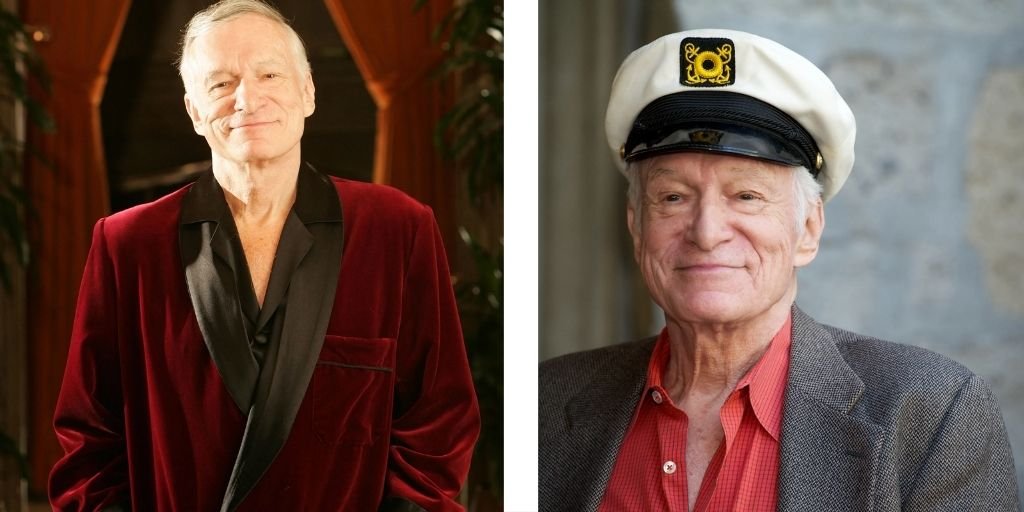
His trademark robe and pipe, the Playboy Bunny, the mansion, celebrity parties, and magazine covers created an instantly recognizable image.
But the deeper story is more interesting.
Hefner lived through an era when American society moved from highly conservative attitudes toward a much more open culture. He was not solely responsible for that transformation, but he became one of its most visible representatives.
His story also shows how cultural icons can evolve.
The man who once represented rebellion eventually became a historical figure whose ideas were reassessed by generations that came after him.
That reassessment is important.
A cultural legacy should not be judged only by popularity. It should also be examined through its consequences, contradictions, achievements, and criticisms.
Hefner’s story offers plenty of all four.
Conclusion
Hugh Hefner was much more than the founder of Playboy. He was a publisher who built a powerful media empire, a cultural figure who challenged traditional attitudes, and a controversial personality whose ideas continue to provoke debate.
His career influenced magazines, television, fashion, nightlife, celebrity culture, and discussions about personal freedom. At the same time, criticisms surrounding gender representation, relationships, and the Playboy lifestyle remain an important part of understanding his history.
Ultimately, Hefner’s legacy is complicated because the society he helped shape was complicated. His life cannot be reduced to either admiration or condemnation. Instead, it provides a fascinating look at how media can influence culture—and how culture, in turn, can eventually change the meaning of a media empire.
FAQs
1. Who was Hugh Hefner?
Hugh Hefner was an American publisher best known for founding Playboy magazine in 1953. He developed the publication into a major international lifestyle and entertainment brand.
2. When did Hugh Hefner start Playboy?
Hefner launched the first issue of Playboy in December 1953. Marilyn Monroe appeared on the cover and in the magazine’s inaugural issue.
3. Why was Hugh Hefner famous?
He became famous as the founder and public face of Playboy. His magazine, lifestyle brand, television appearances, celebrity parties, and Playboy Mansion made him a major figure in popular culture.
4. Was Hugh Hefner involved in civil rights issues?
Yes. Playboy’s editorial policies included prominent coverage of Black artists and public figures, and Hefner supported several civil-rights and free-expression causes during his lifetime.
5. When did Hugh Hefner die?
Hugh Hefner died on September 27, 2017, at the age of 91. He died at the Playboy Mansion in Los Angeles.


