
Johnny Depp: The Life, Career, Movies, and Legacy of a Hollywood Icon
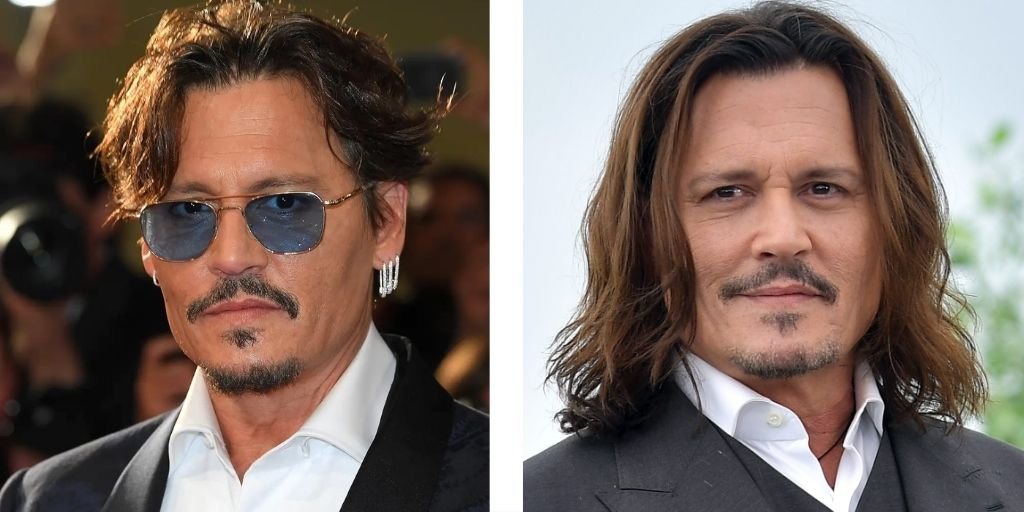
Johnny Depp is one of the most recognizable and fascinating actors of his generation. Known for memorable characters, unusual performances, and a career that has moved between major blockbusters and smaller artistic projects, he has remained a major figure in popular culture for decades.
From his early days on television to his rise as an international movie star, Depp has built a career filled with remarkable successes, creative risks, controversies, and reinventions. His journey is not a simple Hollywood success story. It is more like a winding road, with unexpected turns at almost every stage.
For audiences around the world, what makes him particularly interesting is the range of characters he has played. He has portrayed pirates, criminals, fantasy figures, historical personalities, detectives, musicians, and troubled outsiders. Behind those performances is an actor who has repeatedly chosen distinctive roles rather than following a conventional path to stardom.
Early Life and the Beginning of His Career
Johnny Depp was born on June 9, 1963, in Owensboro, Kentucky. His family later moved to Florida, where he spent much of his childhood. Music became an important part of his early life, and he developed an interest in playing guitar before seriously considering acting.
Unlike many performers who dream of becoming movie stars from an early age, Depp initially wanted to pursue music. He played in several bands and eventually moved to Los Angeles in search of opportunities as a musician.
His path changed when he became involved with acting. After appearing in the horror film A Nightmare on Elm Street in 1984, he began receiving more attention. Television provided his first major breakthrough when he joined the cast of 21 Jump Street.
The series made him popular with younger viewers, but Depp did not want to remain trapped in the image of a conventional television heartthrob. Instead, he began searching for challenging and unusual roles.
That decision became one of the defining characteristics of his career.
The Rise of a Distinctive Hollywood Actor
During the late 1980s and early 1990s, Depp began developing a reputation for choosing unconventional characters. One of the most important films of this period was Edward Scissorhands, directed by Tim Burton.
The character was visually unusual but emotionally vulnerable. Depp’s performance demonstrated that he could communicate complex feelings without relying heavily on traditional dialogue.
His collaboration with Burton became especially important. The two worked together on numerous projects, creating a recognizable combination of dark fantasy, eccentric characters, and theatrical storytelling.
Films such as Ed Wood, Sleepy Hollow, and Charlie and the Chocolate Factory showed different sides of Depp’s acting abilities.
Rather than playing the same personality repeatedly, he often transformed himself physically and emotionally for each role. This willingness to experiment helped separate him from many mainstream performers of his era.
Pirates of the Caribbean and Global Stardom
Everything changed with Pirates of the Caribbean: The Curse of the Black Pearl in 2003.
Depp played Captain Jack Sparrow, a character who became one of the most recognizable figures in modern popular cinema. His interpretation was unconventional, humorous, unpredictable, and heavily influenced by his own creative instincts.
At first, some people were unsure about the performance because Sparrow was very different from the traditional image of a heroic pirate. Yet audiences embraced the character.
The film became a major international success, and Depp received an Academy Award nomination for Best Actor.
Captain Jack Sparrow transformed Depp’s career. He was no longer simply an admired character actor. He had become one of Hollywood’s biggest international stars.
The success of the franchise also introduced his work to a new generation. His performance became associated with humorous expressions, unusual movements, distinctive speech patterns, and improvisational energy.
The character’s popularity demonstrated something important about Depp’s appeal: audiences often responded most strongly when he created characters that felt unlike anyone else.
A Career Filled With Memorable Characters
One reason Depp’s filmography remains so interesting is its variety.
He has played characters who are serious, comic, frightening, romantic, eccentric, and mysterious. Some of his best-known roles include:
- Edward Scissorhands in Edward Scissorhands
- Captain Jack Sparrow in Pirates of the Caribbean
- Willy Wonka in Charlie and the Chocolate Factory
- Sweeney Todd in Sweeney Todd: The Demon Barber of Fleet Street
- John Dillinger in Public Enemies
- The Mad Hatter in Alice in Wonderland
- Barnabas Collins in Dark Shadows
- Ichabod Crane in Sleepy Hollow
- J.M. Barrie in Finding Neverland
- George Jung in Blow
These roles reveal how comfortable Depp has been with transformation.
In Finding Neverland, for example, his performance is much quieter and more restrained than Captain Jack Sparrow. In Sweeney Todd, he combines acting with musical performance. In Public Enemies, he takes a more grounded approach to portraying a historical criminal.
His career therefore cannot easily be described by a single genre or acting style.
Johnny Depp and Tim Burton
The professional relationship between Depp and director Tim Burton is one of the most recognizable actor-director partnerships in Hollywood.
Their first major collaboration was Edward Scissorhands. The film established a creative connection that continued through several projects.
Burton often creates worlds populated by outsiders, dreamers, strange personalities, and people who struggle to fit into ordinary society. Depp’s ability to portray unconventional figures made him a natural fit for those stories.
Their collaborations include Edward Scissorhands, Ed Wood, Sleepy Hollow, Charlie and the Chocolate Factory, Sweeney Todd, and Dark Shadows.
What makes their partnership interesting is that it allowed Depp to move away from conventional leading-man expectations. Instead of always being the handsome hero, he could become the strange inventor, eccentric filmmaker, murderous barber, mysterious detective, or unusual chocolatier.
Their work together became almost a genre of its own.
Awards, Recognition, and Professional Achievements
Over the course of his career, Depp has received substantial recognition from major entertainment organizations.
He has earned Academy Award nominations for Pirates of the Caribbean: The Curse of the Black Pearl, Finding Neverland, and Sweeney Todd: The Demon Barber of Fleet Street.
He has also received Golden Globe recognition and won the Golden Globe Award for Best Actor in a Motion Picture – Musical or Comedy for Sweeney Todd.
Beyond awards, another measure of his success is the international reach of his movies. Several films associated with Depp have become major commercial successes, particularly the Pirates of the Caribbean franchise.
However, awards and box-office figures tell only part of the story. His cultural impact can also be seen in the way audiences remember his characters years after the films were released.
Captain Jack Sparrow, Edward Scissorhands, and Willy Wonka have all become recognizable parts of modern entertainment culture.
His Work Beyond Acting
Although acting became his primary profession, Depp never completely abandoned his original passion for music.
He has performed with and collaborated with musicians throughout his career. His guitar playing has remained an important part of his public identity, and he has participated in major musical projects.
His musical interests also help explain why some of his performances have such a strong sense of rhythm and physical expression. Acting and music are different forms of performance, but both depend heavily on timing.
Depp has also participated in film production and other creative work. His career demonstrates an interest in several forms of storytelling rather than a narrow focus on acting alone.
For someone who originally dreamed of becoming a musician, Hollywood ultimately became one chapter of a much broader creative journey.
Personal Life and Public Attention
Like many major celebrities, Depp’s personal life has received considerable media attention.
His relationships, friendships, lifestyle, homes, legal disputes, and professional decisions have all been subjects of extensive public discussion. This level of attention has sometimes made it difficult to separate the actor’s professional work from his personal life.
It is important, however, to distinguish confirmed information from rumors and speculation. Celebrity culture often creates stories that spread quickly, even when the underlying details are unclear.
Depp has also spoken publicly about different experiences throughout his life and career. His personal circumstances have sometimes influenced public perceptions of him, but his professional work should still be considered on its own terms.
For general audiences, this distinction is useful: a person’s public image and artistic work can both be examined without treating every media story as established fact.
Legal Battles and Their Impact on His Career
In recent years, Depp’s name became closely connected with highly publicized legal disputes involving his former spouse Amber Heard.
The disputes generated extensive international media coverage and became a subject of intense public debate. Court proceedings, testimony, evidence, and competing allegations received significant attention online and through traditional news organizations.
In 2022, a Virginia jury found Depp and Heard liable for defamation in relation to statements made about their relationship, with damages awarded to both sides. The legal proceedings became particularly prominent because portions of the trial were televised and widely discussed on social media.
The aftermath had a major impact on public discussion surrounding Depp’s career.
It is worth approaching such events carefully. Legal judgments concern specific claims and evidence presented in particular proceedings; they should not automatically be expanded into conclusions about every aspect of a person’s life.
For Depp, the period nevertheless represented one of the most consequential chapters of his public career.
Life After the Major Hollywood Franchises
After spending years associated with major studio productions, Depp’s career began moving in different directions.
His work has increasingly included European cinema, independent projects, music, and other creative pursuits. One notable project was Jeanne du Barry, in which he portrayed King Louis XV.
The film premiered at the 2023 Cannes Film Festival, marking a significant return to major film attention following years dominated by legal and media controversy.
This stage of his career is interesting because it suggests a possible return to the kind of unconventional filmmaking that characterized some of his earlier work.
Will he return to another massive Hollywood franchise? Will he concentrate on independent films? Could music become an even larger part of his professional life?
Those questions remain open, and that uncertainty is part of what makes the next chapter of his career worth watching.
Why Audiences Continue to Connect With Him
Why has Depp maintained such a strong following for so many years?
Part of the answer is his ability to create characters that feel immediately recognizable. His performances often contain small physical details—a facial expression, gesture, accent, posture, or unusual movement—that make a character memorable.
Another reason is his willingness to portray outsiders.
Many people understand what it feels like not to fit perfectly into expectations. Depp has repeatedly played characters who exist somewhere outside the ordinary world. They may be misunderstood, eccentric, rebellious, damaged, or simply different.
That quality gives his performances emotional accessibility even when the characters themselves are fantastical.
His career can be compared to a musician changing instruments. Instead of repeating the same performance, he has frequently experimented with different styles, genres, and personalities.
Of course, not every film has been equally successful. His filmography includes projects that received mixed reviews or struggled commercially. But experimentation inevitably involves risk.
For an actor, avoiding all risk may produce consistency, but taking creative chances can produce something unforgettable.
The Lasting Legacy of Johnny Depp
Johnny Depp’s legacy is larger than any single movie.
He helped demonstrate that a major Hollywood actor could become internationally successful while continuing to embrace strange, unconventional, and sometimes deeply eccentric characters.
His portrayal of Captain Jack Sparrow influenced popular culture and became one of cinema’s most recognizable comic performances. His work with Tim Burton helped establish a distinctive screen partnership. His dramatic performances showed that he could move beyond fantasy and comedy.
At the same time, his career also illustrates the complicated relationship between fame, media attention, personal life, and public opinion.
For audiences, his story is not simply about success. It is about reinvention.
From aspiring musician to television actor, from unconventional performer to blockbuster star, and later to an artist exploring new professional directions, Depp’s career has repeatedly changed shape.
That ability to reinvent himself may ultimately be one of the most important parts of his legacy.
Conclusion
Johnny Depp’s career is a remarkable mixture of artistic ambition, commercial success, experimentation, controversy, and reinvention. His most famous characters have become part of popular culture, while his less conventional projects reveal an actor who has rarely been interested in taking the easiest path.
Whether audiences remember him most as Captain Jack Sparrow, Edward Scissorhands, Willy Wonka, Sweeney Todd, or another character, his influence on modern cinema is difficult to ignore.
His future career may take unexpected directions, just as his earlier journey did. And perhaps that unpredictability is exactly what has made Johnny Depp such a compelling figure for audiences around the world.
FAQs About Johnny Depp
1. Who is Johnny Depp?
Johnny Depp is an American actor, musician, and producer known for a wide range of film roles. He became internationally famous through movies such as Edward Scissorhands, Pirates of the Caribbean, Finding Neverland, Sweeney Todd, and Charlie and the Chocolate Factory.
2. What is Johnny Depp best known for?
He is probably best known for portraying Captain Jack Sparrow in the Pirates of the Caribbean film series. The role became one of the most recognizable characters of his career and earned him an Academy Award nomination for the first film.
3. How many times has Johnny Depp worked with Tim Burton?
Depp and Tim Burton have collaborated on numerous films, including Edward Scissorhands, Ed Wood, Sleepy Hollow, Charlie and the Chocolate Factory, Sweeney Todd, and Dark Shadows. Their partnership is one of the best-known actor-director collaborations in modern cinema.
4. Has Johnny Depp won an Academy Award?
Johnny Depp has received three Academy Award nominations for acting but has not won the Academy Award for Best Actor. He has received other major honors, including a Golden Globe win for Sweeney Todd: The Demon Barber of Fleet Street.
5. Is Johnny Depp still acting?
Yes. Depp has continued pursuing film and other creative projects. His appearance in Jeanne du Barry, which premiered at Cannes in 2023, represented an important part of his return to prominent film work after several years of intense public and legal attention.


